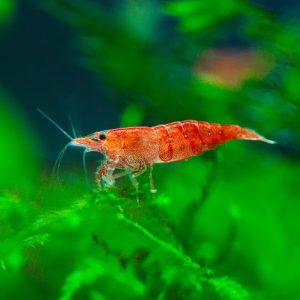
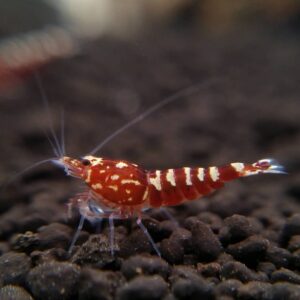
| Content | Caridina Cantonensis
Characteristics:
Max Size: 1.5″
Care Level: Expert
Behavior: Peaceful
Diet: Omnivore
Water Movement: Slow Moving
Parameters
Temperature: 68 - 72
PH: 6.2 - 6.8
dGH: 3 - 6
dKH: 0 - 1
TDS: 90 - 130
Tank Size: 10 gal
Tank Mates
Tetras, Danios, Kuhli Loaches, Corydoras, Otocinclus and other small nano fish. There's always a risk that baby shrimp can get eaten. Some recommend Caridina to be in species only tanks. Avoid aggressive or large mouth fish.
Notes
Stability is key. Caridina shrimp are very sensitive to water changes prefer softer and acid waters. Keep cooler water temperatures and avoid heavy c02 injection. Minimize changes.
Provide a variety of hiding places. Shrimp will molt and prefer places to hide while their new body is tender. Keep the molted shells in the tank as other shrimp will feed off it as a good source of calcium. Always remove dead shrimp to minimize bacteria and infections. | Caridina Cantonensis
Characteristics:
Max Size: 1.5″
Care Level: Expert
Behavior: Peaceful
Diet: Omnivore
Water Movement: Slow Moving
Parameters
Temperature: 68 - 72
PH: 6.4 - 6.6
dGH: 4 - 5
dKH: 0 - 1
TDS: 100 - 140
Tank Size: 10 gal
Tank Mates
Tetras, Danios, Kuhli Loaches, Corydoras, Otocinclus and other small nano fish. There's always a risk that baby shrimp can get eaten. Some recommend Caridina to be in species only tanks. Avoid aggressive or large mouth fish
Notes
Stability is key. Caridina shrimp are very sensitive to water changes prefer softer and acid waters. Keep cooler water temperatures and avoid heavy c02 injection. Minimize changes.
Provide a variety of hiding places. Shrimp will molt and prefer places to hide while their new body is tender. Keep the molted shells in the tank as other shrimp will feed off it as a good source of calcium. Always remove dead shrimp to minimize bacteria and infections.
| Caridina Babaulti
Characteristics:
Max Size: 1.5″
Care Level: Expert
Behavior: Peaceful
Diet: Omnivore
Water Movement: Slow Moving
Parameters
Temperature: 68 - 72
PH: 6.7 - 7.4
dGH: 6 - 9
dKH: 1 - 3
TDS: 110 - 170
Tank Size: 10 gal
Tank Mates
Tetras, Danios, Kuhli Loaches, Corydoras, Otocinclus and other small nano fish. There's always a risk that baby shrimp can get eaten. Some recommend Caridina to be in species only tanks. Avoid aggressive or large mouth fish
Notes
Also known as Zebra Balbaulti, this Caridina shrimp species is actually hardy and can tolerate acidic and alkaline water conditions. Regardless, water stability is key. Keep cooler water temperatures and avoid heavy c02 injection. Minimize changes.
Provide a variety of hiding places. Shrimp will molt and prefer places to hide while their new body is tender. Keep the molted shells in the tank as other shrimp will feed off it as a good source of calcium. Always remove dead shrimp to minimize bacteria and infections. | Caridina Cantonensis
Characteristics:
Max Size: 1.5″
Care Level: Expert
Behavior: Peaceful
Diet: Omnivore
Water Movement: Slow Moving
Parameters
Temperature: 68 - 72
PH: 6.2 - 6.8
dGH: 3 - 6
dKH: 0 - 1
TDS: 90 - 130
Tank Size: 10 gal
Tank Mates
Tetras, Danios, Kuhli Loaches, Corydoras, Otocinclus and other small nano fish. There's always a risk that baby shrimp can get eaten. Some recommend Caridina to be in species only tanks. Avoid aggressive or large mouth fish.
Notes
Stability is key. Caridina shrimp are very sensitive to water changes prefer softer and acid waters. Keep cooler water temperatures and avoid heavy c02 injection. Minimize changes.
Provide a variety of hiding places. Shrimp will molt and prefer places to hide while their new body is tender. Keep the molted shells in the tank as other shrimp will feed off it as a good source of calcium. Always remove dead shrimp to minimize bacteria and infections.
photo credit shrimpy business | Caridina mariae, Caridina Cantonensis
Characteristics:
Max Size: 1.5″
Care Level: Expert
Behavior: Peaceful
Diet: Omnivore
Water Movement: Slow Moving
Parameters
Temperature: 68 - 74
PH: 6.5 - 6.9
dGH: 4 - 8
dKH: 0 - 2
TDS: 130-180
Tank Size: 10 gal
Tank Mates
Tetras, Danios, Kuhli Loaches, Corydoras, Otocinclus and other small nano fish. There's always a risk that baby shrimp can get eaten. Avoid aggressive or large mouth fish.
Notes
Blue tiger shrimp do not breed true, meaning they may come out blonde or a lighter variance color. Keep cooler water temperatures and avoid heavy c02 injection. Minimize changes.
Provide a variety of hiding places. Shrimp will molt and prefer places to hide while their new body is tender. Keep the molted shells in the tank as other shrimp will feed off it as a good source of calcium. Always remove dead shrimp to minimize bacteria and infections. |