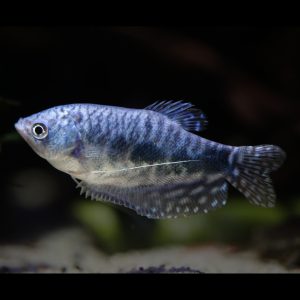
| Content | Hyphessobrycon amandae
Characteristics:
Max Size: 1″
Care Level: Easy
Behavior: Peaceful
Dwelling: Middle to Top
Diet: Omnivore
Water Movement: Slow Moving
Parameters
Temperature: 68° – 75°
PH: 6 – 7.5
dGH: 4 – 8
dKH: 3 – 7
Tank Size: 5 gal
Grouping: 6 or more
Tank Mates
Tetras, Rasboras, Danios, Hatchetfish, Mollies, Dwarf Gourami, Angelfish, Guppies, Loaches, Otocinclus, dwarf shrimp and snails
Notes
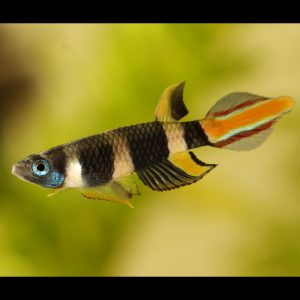
Ember Tetras are very active and social beginner fish. They schoal in large groups and can tolerate both acidic and low alkaline water conditions. Compare to Neon Tetras, they're smaller in comparison, approximately 1” max. You’ll find them in almost every local fish store including commercial big box retailers. You can keep a small community in a 5 gallon tank, but push for 10 or more to see their active behavior. Avoid aggressive or territorial species or large fish with big mouths. | Epiplatys annulatus
Characteristics:
Max Size: 1.5″
Care Level: Easy
Behavior: Peaceful
Dwelling: Top of tank
Diet: Omnivore
Water Movement: Slow Moving
Parameters
Temperature: 68° – 79°
PH: 6 - 7.5
dGH: 8 - 16
dKH: 4 - 8
Min Tank Size: 5 gal
Grouping: 1-3
Tank Mates
Tetras, Rasboras, Danios, Hatchetfish, Mollies, Dwarf Gourami, Angelfish, Guppies, Loaches, Corydoras, Plecos and Otocinclus.
Adult shrimps are generally safe.
Notes
Although they're top dwellers, they can be shy and do best in large groups. You can keep 1-5 of of these tiny guys in a 5 gallon tank, but provide 10 gallons or larger if keeping in a community with other fish. They're predators and like to wait at the top to grab their food. Killifish often prefer live foods over frozen foods and pellets. Avoid aggressive or territorial species or large fish with big mouths such as cichlids.d pellets. Since they are colorful top dwellers, bettas may see them as competition and show aggression. | Betta spenden
Characteristics:
Max Size: 3″
Care Level: Easy
Behavior: Aggressive
Dwelling: Top of tank
Diet: Omnivore
Water Movement: Slow Moving
Parameters
Temperature: 76 – 82
PH: 6.5 - 7.5
dGH: 2 - 5
dKH: 1 – 4
Tank Size: 5 gal
Grouping: Single
Tank Mates
Peaceful mid-dwelling nano fish like ember tetras, harlequin rasboras, and celestial pearl danios, but keep them in strong groups
Bottom dwellers like Kuhli loaches, Corydoras, Malaysian Trumpet snails. Depending on each individual betta, dwarf shrimp may or may not get eaten.
Avoid other aggressive, fin-nipping or even colorful fish like tiger barbs and fancy guppies.
Prevent stressing the betta by keeping top dwelling fish to a minimum.
Avoid larger fish which can prey or intimidate like cichlids.
Notes
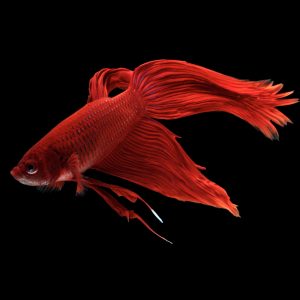
Koi Bettas are a type of Marble Betta but with coloration and patterns resembling a Japanese Koi Fish. There is no cross-breeding with an actual Koi carp.
Betta fish are also known as Siamese or Japanese Fighting Fish. They're very territorial and should never be kept together unless for short-term breeding. Despite their aggressive nature, they can have a curious and playful personality. They'll often recognize their caretaker and will even come up to the glass to greet them. The betta spenden species come in a variety of tail shapes, colors and patterns. They're easily the show piece to any tank and their extravagant tails flow like living art. Provide their space with a lot of plants, slow water agitation and warm waters to keep them healthy and active.
Regardless of what you see in retail stores or what people say, NEVER keep a betta in anything less than a 5 gallon tank.
https://plantedtankmates.com/types-of-betta-fish/ | Trichopodus trichopterus var. Lavender
Characteristics:
Max Size: 5″
Care Level: Intermediate
Behavior: Peaceful
Dwelling: Middle to Top of tank
Diet: Omnivore
Water Movement: Slow Moving
Parameters
Temperature: 72 – 82
PH: 6 - 7.5
dGH: 4 - 15
dKH: 3 – 8
Tank Size: 30 gal
Grouping: 1, or 6+
Tank Mates
Larger nano community fish like large tetras, rasboras, peaceful barbs, Tinfoil Barbs that dwell at the middle of the tank
Slightly smaller or equal in size fish such as dwarf cichlids, German Blue Rams, Apistogramma
Larger bottom feeders like loaches, corydoras, Siamese Algae Eaters
Avoid fin nipping fish
Notes
Lavendar Gouramis are very similar to Three-Spot Gouramis. They're a color variation from the same Trichopodus trichopterus species as the Three-Spot Gourami, Opaline Gourami, Blue Gourami, and Gold Gourami.
Keep as a single feature fish, or as a male & female pair. They're generally peaceful community fish but can become semi-aggressive towards each other, especially males. When in groups, keep 1 male to every 3 female ratio. | Sphaerichthys osphromenoides
Characteristics:
Max Size: 2.5″
Care Level: Intermediate
Behavior: Peaceful
Dwelling: Middle to Top of tank
Diet: Omnivore
Water Movement: Slow Moving
Parameters
Temperature: 77 – 84
PH: 4 - 6
dGH: 1-6
dKH: 1 – 4
Tank Size: 30 gal
Grouping: 6 or more
Tank Mates
Most nano community fish that an handle low PH requirements like Tetras, Rasboras, Cyprinids and dwarf barbs that dwell at the middle of the tank
Bottom feeders like Kuhli loaches, corydoras, otocinclus, snails. Caridina shrimp make a better choice since they prefer softer water parameters. Adult shrimp OK, but smaller shrimp or fry can become snacks.
Avoid fin nipping fish
Notes
Chocolate Gouramis are not like the others. They're very sensitive to water changes and prefer very low PH water parameters. Their natural habitat includes a lot of decaying plant matter with branches and wood to hide. They're more of a social fish that prefer to live in groups of 6 or more. | Betta spenden
Characteristics:
Max Size: 3″
Care Level: Easy
Behavior: Aggressive
Dwelling: Top of tank
Diet: Omnivore
Water Movement: Slow Moving
Parameters
Temperature: 76 – 82
PH: 6.5 - 7.5
dGH: 2 - 5
dKH: 1 – 4
Tank Size: 5 gal
Grouping: Single
Tank Mates
Peaceful mid-dwelling nano fish like ember tetras, harlequin rasboras, and celestial pearl danios, but keep them in strong groups
Bottom dwellers like Kuhli loaches, Corydoras, Malaysian Trumpet snails. Depending on each individual betta, dwarf shrimp may or may not get eaten.
Avoid other aggressive, fin-nipping or even colorful fish like tiger barbs and fancy guppies.
Prevent stressing the betta by keeping top dwelling fish to a minimum.
Avoid larger fish which can prey or intimidate like cichlids.
Notes
Double Tail Bettas actually have 2 distinct tail lobes instead of 1. Their tail symmetrically splits and their anal fin runs the full length of their body.
Betta fish are also known as Siamese or Japanese Fighting Fish. They're very territorial and should never be kept together unless for short-term breeding. Despite their aggressive nature, they can have a curious and playful personality. They'll often recognize their caretaker and will even come up to the glass to greet them. The betta spenden species come in a variety of tail shapes, colors and patterns. They're easily the show piece to any tank and their extravagant tails flow like living art. Provide their space with a lot of plants, slow water agitation and warm waters to keep them healthy and active.
Regardless of what you see in retail stores or what people say, NEVER keep a betta in anything less than a 5 gallon tank.
https://plantedtankmates.com/types-of-betta-fish/ |