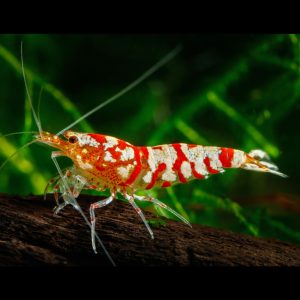
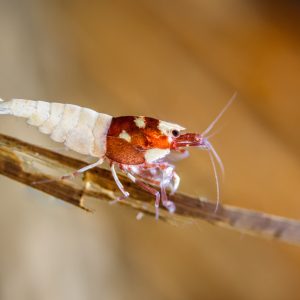
| Content | Caridina Cantonensis
Characteristics:
Max Size: 1.5″
Care Level: Expert
Behavior: Peaceful
Diet: Omnivore
Water Movement: Slow Moving
Parameters
Temperature: 68 - 72
PH: 6.4 - 6.6
dGH: 4 - 5
dKH: 0 - 1
TDS: 100 - 140
Tank Size: 10 gal
Tank Mates
Tetras, Danios, Kuhli Loaches, Corydoras, Otocinclus and other small nano fish. There's always a risk that baby shrimp can get eaten. Some recommend Caridina to be in species only tanks. Avoid aggressive or large mouth fish
Notes
Stability is key. Caridina shrimp are very sensitive to water changes prefer softer and acid waters. Keep cooler water temperatures and avoid heavy c02 injection. Minimize changes.
Provide a variety of hiding places. Shrimp will molt and prefer places to hide while their new body is tender. Keep the molted shells in the tank as other shrimp will feed off it as a good source of calcium. Always remove dead shrimp to minimize bacteria and infections.
| Caridina Cantonensis
Characteristics:
Max Size: 1.5″
Care Level: Expert
Behavior: Peaceful
Diet: Omnivore
Water Movement: Slow Moving
Parameters
Temperature: 68 - 72
PH: 6.2 - 6.8
dGH: 3 - 6
dKH: 0 - 1
TDS: 90 - 130
Tank Size: 10 gal
Tank Mates
Tetras, Danios, Kuhli Loaches, Corydoras, Otocinclus and other small nano fish. There's always a risk that baby shrimp can get eaten. Some recommend Caridina to be in species only tanks. Avoid aggressive or large mouth fish.
Notes
Stability is key. Caridina shrimp are very sensitive to water changes prefer softer and acid waters. Keep cooler water temperatures and avoid heavy c02 injection. Minimize changes.
Provide a variety of hiding places. Shrimp will molt and prefer places to hide while their new body is tender. Keep the molted shells in the tank as other shrimp will feed off it as a good source of calcium. Always remove dead shrimp to minimize bacteria and infections. | Caridina Cantonensis
Characteristics:
Max Size: 1.5″
Care Level: Expert
Behavior: Peaceful
Diet: Omnivore
Water Movement: Slow Moving
Parameters
Temperature: 68 - 74
PH: 6.2 - 6.9
dGH: 4 - 6
dKH: 0 - 2
TDS: 120-160
Tank Size: 10 gal
Tank Mates
Tetras, Danios, Kuhli Loaches, Corydoras, Otocinclus and other small nano fish. There's always a risk that baby shrimp can get eaten. Some recommend Caridina to be in species only tanks. Avoid aggressive or large mouth fish.
Notes
Stability is key. Caridina shrimp are very sensitive to water changes prefer softer and acid waters. Keep cooler water temperatures and avoid heavy c02 injection. Minimize changes.
Provide a variety of hiding places. Shrimp will molt and prefer places to hide while their new body is tender. Keep the molted shells in the tank as other shrimp will feed off it as a good source of calcium. Always remove dead shrimp to minimize bacteria and infections. | Caridina mariae, Caridina Cantonensis
Characteristics:
Max Size: 1.5″
Care Level: Expert
Behavior: Peaceful
Diet: Omnivore
Water Movement: Slow Moving
Parameters
Temperature: 68 - 74
PH: 6.5 - 6.9
dGH: 4 - 8
dKH: 0 - 2
TDS: 130-180
Tank Size: 10 gal
Tank Mates
Tetras, Danios, Kuhli Loaches, Corydoras, Otocinclus and other small nano fish. There's always a risk that baby shrimp can get eaten. Avoid aggressive or large mouth fish.
Notes
Blue tiger shrimp do not breed true, meaning they may come out blonde or a lighter variance color. Keep cooler water temperatures and avoid heavy c02 injection. Minimize changes.
Provide a variety of hiding places. Shrimp will molt and prefer places to hide while their new body is tender. Keep the molted shells in the tank as other shrimp will feed off it as a good source of calcium. Always remove dead shrimp to minimize bacteria and infections. | Caridina multidenata, Caridina japonica
Characteristics:
Max Size: 2″
Care Level: Easy
Behavior: Peaceful
Diet: Omnivore
Water Movement: Slow Moving
Parameters
Temperature: 65 - 80
PH: 6.5 - 8
dGH: 4 - 12
dKH: 2 - 8
TDS: 150-200
Tank Size: 10 gal
Tank Mates
Compatible all Caridina and Neocaridina species as they will not crossbreed.
Tetras, Danios, Kuhli Loaches, Corydoras, Otocinclus and other small nano fish. There's always a risk that baby shrimp can get eaten. Avoid aggressive or large mouth fish.
Notes
Made popular by Takashi Amano (the father of modern aquascaping), Amano shrimp are great algae eaters. They're very hardy and can handle a wide temperature range making them great beginner freshwater shrimp. They have a tendency to jump and crawl out of the water, so keep a tight lid.
Provide a variety of hiding places. Shrimp will molt and prefer places to hide while their new body is tender. Keep the molted shells in the tank as other shrimp will feed off it as a good source of calcium. Always remove dead shrimp to minimize bacteria and infections. Avoid heavy c02 injection.
More about Amano Shrimp here. | Caridina Cantonensis
Characteristics:
Max Size: 1.5″
Care Level: Expert
Behavior: Peaceful
Diet: Omnivore
Water Movement: Slow Moving
Parameters
Temperature: 68 - 72
PH: 6 - 6.8
dGH: 4 - 6
dKH: 0 - 2
TDS: 120 - 150
Tank Size: 10 gal
Tank Mates
Tetras, Danios, Kuhli Loaches, Corydoras, Otocinclus and other small nano fish. There's always a risk that baby shrimp can get eaten. Some recommend Caridina to be in species only tanks. Avoid aggressive or large mouth fish.
Notes
Stability is key. Caridina shrimp are very sensitive to water changes prefer softer and acid waters. Keep cooler water temperatures and avoid heavy c02 injection. Minimize changes.
Provide a variety of hiding places. Shrimp will molt and prefer places to hide while their new body is tender. Keep the molted shells in the tank as other shrimp will feed off it as a good source of calcium. Always remove dead shrimp to minimize bacteria and infections. |