| Content | Betta spenden
Characteristics:
Max Size: 3″
Care Level: Easy
Behavior: Aggressive
Dwelling: Top of tank
Diet: Omnivore
Water Movement: Slow Moving
Parameters
Temperature: 76 – 82
PH: 6.5 - 7.5
dGH: 2 - 5
dKH: 1 – 4
Tank Size: 5 gal
Grouping: Single
Tank Mates
Peaceful mid-dwelling nano fish like ember tetras, harlequin rasboras, and celestial pearl danios, but keep them in strong groups
Bottom dwellers like Kuhli loaches, Corydoras, Malaysian Trumpet snails. Depending on each individual betta, dwarf shrimp may or may not get eaten.
Avoid other aggressive, fin-nipping or even colorful fish like tiger barbs and fancy guppies.
Prevent stressing the betta by keeping top dwelling fish to a minimum.
Avoid larger fish which can prey or intimidate like cichlids.
Notes
Mustard Gas Bettas have a solid blue or teal body with contrasting yellow fins. When fully spread, their flowy fins can resemble a puff of mustard gas.
Betta fish are also known as Siamese or Japanese Fighting Fish. They're very territorial and should never be kept together unless for short-term breeding. Despite their aggressive nature, they can have a curious and playful personality. They'll often recognize their caretaker and will even come up to the glass to greet them. The betta spenden species come in a variety of tail shapes, colors and patterns. They're easily the show piece to any tank and their extravagant tails flow like living art. Provide their space with a lot of plants, slow water agitation and warm waters to keep them healthy and active.
Regardless of what you see in retail stores or what people say, NEVER keep a betta in anything less than a 5 gallon tank.
https://plantedtankmates.com/types-of-betta-fish/ | Trichogaster chuna
Characteristics:
Max Size: 2.5″
Care Level: Easy
Behavior: Peaceful
Dwelling: Middle to Top of tank
Diet: Omnivore
Water Movement: Slow Moving
Parameters
Temperature: 72 – 82
PH: 6 - 7.5
dGH: 4 - 15
dKH: 3 – 8
Tank Size: 10 gal
Grouping: 1, or 6+
Tank Mates
Most nano community fish like Tetras, Rasboras, Danios, Hatchetfish, Mollies, Guppies
Bottom feeders like loaches, corydoras, otocinclus, snails. Adult shrimp OK, but smaller shrimp or fry can become snacks.
Notes
Keep as a single feature fish, or as a male & female pair. They're generally peaceful community fish but can become semi-aggressive towards each other, especially males. When in groups, keep 1 male to every 2-3 female ratio. | Poecilia wingei
Characteristics:
Max Size: 1.75″
Care Level: Easy
Behavior: Peaceful
Dwelling: Top of tank
Diet: Omnivore
Water Movement: Slow Moving
Parameters
Temperature: 68 – 82
PH: 6.8 – 8
dGH: 8 – 20
dKH: 4 – 8
Tank Size: 10 gal
Grouping: 6 or more
Tank Mates
Tetras, Rasboras, Danios, Hatchetfish, Guppies, Mollies, Dwarf Gourami, Angelfish, Plecors, Loaches and Otocinclus
Notes
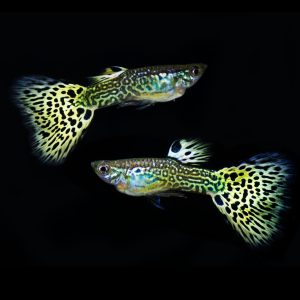
Endlers are unique with distinctive color splotches and markings. Similar to guppies, Endlers are also relatively hardy and popular fish. Many beginners keep them with great success.
Breeding
They generally breed in warmer waters. They can also reproduce with guppies, so be careful with mixing because they will become hybrids and may lose their distinctive colors and patterns. Keep a ratio of 1:2, male : female. | Trichogaster Ialius
Characteristics:
Max Size: 2.5″
Care Level: Easy
Behavior: Peaceful
Dwelling: Middle to Top of tank
Diet: Omnivore
Water Movement: Slow Moving
Parameters
Temperature: 72 – 82
PH: 6 - 7.5
dGH: 4 - 15
dKH: 3 – 8
Tank Size: 10 gal
Grouping: 1, or 6+
Tank Mates
Most nano community fish like Tetras, Rasboras, Danios, Hatchetfish, Mollies, Guppies
Bottom feeders like loaches, corydoras, otocinclus, snails. Adult shrimp OK, but smaller shrimp or fry can become snacks.
Notes
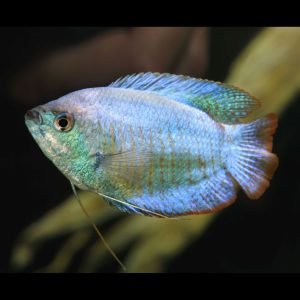
Same species as the Dwarf Gourami but with a different color pattern. Keep as a single feature fish, or as a male & female pair. They're generally peaceful community fish but can become semi-aggressive towards each other, especially males. When in groups, keep 1 male to every 2-3 female ratio. | Trichopsis Pumila
Characteristics:
Max Size: 1.5″
Care Level: Easy
Behavior: Peaceful
Dwelling: Middle to Top of tank
Diet: Omnivore
Water Movement: Slow Moving
Parameters
Temperature: 72 – 82
PH: 6 - 7
dGH: 4 - 8
dKH: 2 - 6
Tank Size: 10 gal
Grouping: 4 or more
Tank Mates
Caridina Shrimp, Amano Shrimp, Cardinal and Neon Tetras, Rasboras, Danios, Pygmy and Leopard Corydoras, Otocinclus
Notes
Unlike dwarf gouramis, Sparkling Gouramis are non-territorial towards one another and do OK in groups. | Oryzias woworae
Characteristics:
Max Size: 1.25″
Care Level: Intermediate
Behavior: Peaceful
Dwelling: Top of tank
Diet: Omnivore
Water Movement: Slow Moving
Parameters
Temperature: 74° – 80°
PH: 6 - 7.5
dGH: 6 - 15
dKH: 4 -10
Min Tank Size: 10 gal
Grouping: 6 or more
Tank Mates
Small nano fish such as Tetras, Rasboras, Danios, Pygmy Corydoras and Otocinclus. Great to pair with dwarf shrimp since they both enjoy water with tannins. It's recommended to introduce killifish into the tank after the shrimp.
Notes
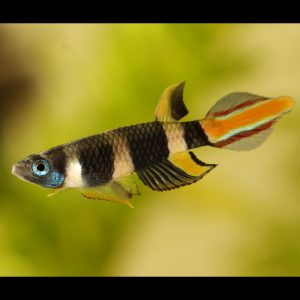
Although they're top dwellers, they can be shy and do best in large groups. They do well in heavily planted tanks and like to inhabit shallow areas. They're predators and like to wait at the top to grab their food. Killifish often prefer live foods over frozen foods and pellets. Avoid aggressive or territorial species or large fish with big mouths such as cichlids.
Breeding
Males have shiny, bright blue coloration while females are more subtle and orange - yellow. They breed easily with the female carrying a cluster of 10-20 eggs. Once deposited into vegetation, it's best to relocate the eggs to avoid geting eaten. Eggs take 1-3 weeks to hatch. Breed best in species only tank |