| Content | Betta spenden
Characteristics:
Max Size: 3″
Care Level: Easy
Behavior: Aggressive
Dwelling: Top of tank
Diet: Omnivore
Water Movement: Slow Moving
Parameters
Temperature: 76 – 82
PH: 6.5 - 7.5
dGH: 2 - 5
dKH: 1 – 4
Tank Size: 5 gal
Grouping: Single
Tank Mates
Peaceful mid-dwelling nano fish like ember tetras, harlequin rasboras, and celestial pearl danios, but keep them in strong groups
Bottom dwellers like Kuhli loaches, Corydoras, Malaysian Trumpet snails. Depending on each individual betta, dwarf shrimp may or may not get eaten.
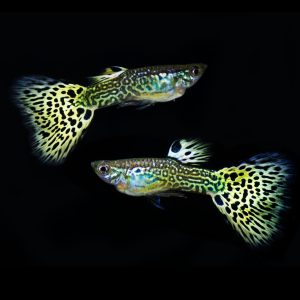
Avoid other aggressive, fin-nipping or even colorful fish like tiger barbs and fancy guppies.
Prevent stressing the betta by keeping top dwelling fish to a minimum.
Avoid larger fish which can prey or intimidate like cichlids.
Notes
Betta fish are also known as Siamese or Japanese Fighting Fish. They're very territorial and should never be kept together unless for short-term breeding. Despite their aggressive nature, they can have a curious and playful personality. They'll often recognize their caretaker and will even come up to the glass to greet them. The betta spenden species come in a variety of tail shapes, colors and patterns. They're easily the show piece to any tank and their extravagant tails flow like living art. Provide their space with a lot of plants, slow water agitation and warm waters to keep them healthy and active.
Regardless of what you see in retail stores or what people say, NEVER keep a betta in anything less than a 5 gallon tank.
https://plantedtankmates.com/types-of-betta-fish/ | Oryzias woworae
Characteristics:
Max Size: 1.25″
Care Level: Intermediate
Behavior: Peaceful
Dwelling: Top of tank
Diet: Omnivore
Water Movement: Slow Moving
Parameters
Temperature: 74° – 80°
PH: 6 - 7.5
dGH: 6 - 15
dKH: 4 -10
Min Tank Size: 10 gal
Grouping: 6 or more
Tank Mates
Small nano fish such as Tetras, Rasboras, Danios, Pygmy Corydoras and Otocinclus. Great to pair with dwarf shrimp since they both enjoy water with tannins. It's recommended to introduce killifish into the tank after the shrimp.
Notes
Although they're top dwellers, they can be shy and do best in large groups. They do well in heavily planted tanks and like to inhabit shallow areas. They're predators and like to wait at the top to grab their food. Killifish often prefer live foods over frozen foods and pellets. Avoid aggressive or territorial species or large fish with big mouths such as cichlids.
Breeding
Males have shiny, bright blue coloration while females are more subtle and orange - yellow. They breed easily with the female carrying a cluster of 10-20 eggs. Once deposited into vegetation, it's best to relocate the eggs to avoid geting eaten. Eggs take 1-3 weeks to hatch. Breed best in species only tank | Epiplatys annulatus
Characteristics:
Max Size: 1.5″
Care Level: Easy
Behavior: Peaceful
Dwelling: Top of tank
Diet: Omnivore
Water Movement: Slow Moving
Parameters
Temperature: 68° – 79°
PH: 6 - 7.5
dGH: 8 - 16
dKH: 4 - 8
Min Tank Size: 5 gal
Grouping: 1-3
Tank Mates
Tetras, Rasboras, Danios, Hatchetfish, Mollies, Dwarf Gourami, Angelfish, Guppies, Loaches, Corydoras, Plecos and Otocinclus.
Adult shrimps are generally safe.
Notes
Although they're top dwellers, they can be shy and do best in large groups. You can keep 1-5 of of these tiny guys in a 5 gallon tank, but provide 10 gallons or larger if keeping in a community with other fish. They're predators and like to wait at the top to grab their food. Killifish often prefer live foods over frozen foods and pellets. Avoid aggressive or territorial species or large fish with big mouths such as cichlids.d pellets. Since they are colorful top dwellers, bettas may see them as competition and show aggression. | Nannostomus rubrocaudatus
Characteristics:
Max Size: 2″
Care Level: Easy
Behavior: Peaceful
Dwelling: Top of tank
Diet: Omnivore
Water Movement: Slow Moving
Parameters
Temperature: 72° – 82°
PH: 6.5 – 7.2
dGH: 4 – 7
dKH: 2 – 5
Tank Size: 10 gal
Grouping: 8 or more
Tank Mates
Caridina and Neocaridina shrimp, Tetras, Rasboras, Celestial Pearl Danios, Hatchetfish, Dwarf Gourami, Angelfish, Loaches, Otocinclus, snails
Notes
Purple Pencilfish are generally a reddish color with violet / purple tones. They're peaceful top dwelling fish that will school when kept in large groups. Provide tall plants and even floating plants to give them a variety of shade and hiding spaces. | Poecilia wingei
Characteristics:
Max Size: 1.75″
Care Level: Easy
Behavior: Peaceful
Dwelling: Top of tank
Diet: Omnivore
Water Movement: Slow Moving
Parameters
Temperature: 68 – 82
PH: 6.8 – 8
dGH: 8 – 20
dKH: 4 – 8
Tank Size: 10 gal
Grouping: 6 or more
Tank Mates
Tetras, Rasboras, Danios, Hatchetfish, Guppies, Mollies, Dwarf Gourami, Angelfish, Plecors, Loaches and Otocinclus
Notes
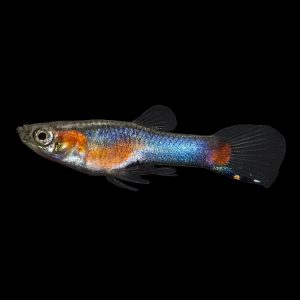
Endlers are unique with distinctive color splotches and markings. Similar to guppies, Endlers are also relatively hardy and popular fish. Many beginners keep them with great success.
Breeding
They generally breed in warmer waters. They can also reproduce with guppies, so be careful with mixing because they will become hybrids. Keep a ratio of 1:2, male : female. | Trichopsis Pumila
Characteristics:
Max Size: 1.5″
Care Level: Easy
Behavior: Peaceful
Dwelling: Middle to Top of tank
Diet: Omnivore
Water Movement: Slow Moving
Parameters
Temperature: 72 – 82
PH: 6 - 7
dGH: 4 - 8
dKH: 2 - 6
Tank Size: 10 gal
Grouping: 4 or more
Tank Mates
Caridina Shrimp, Amano Shrimp, Cardinal and Neon Tetras, Rasboras, Danios, Pygmy and Leopard Corydoras, Otocinclus
Notes
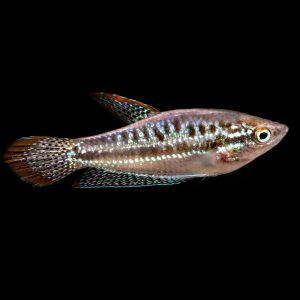
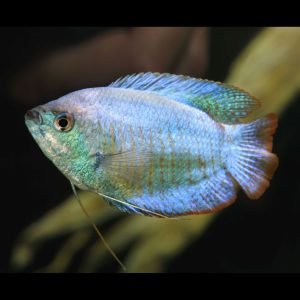
Unlike dwarf gouramis, Sparkling Gouramis are non-territorial towards one another and do OK in groups. |