| Content | Alder Cone
Characteristics:
Max Size: 0.5-1"
Composition: Bottom of Tank
Uses
Reduces PH
Provides grazing area for shrimp
Tank Mates
A natural way to soften water and bring down PH. It also creates a biofilm that shrimp love to graze on.
Notes
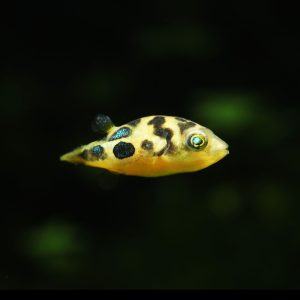
Similar to almond leaves and cholla wood, Alder cones provide another alternative for lowering PH and introducing beneficial tannins. Tannins include anti-bacterial and anti-fungal properties, but the biofilm created helps with shrimp molting. Pre-soak to reduce the browning of water and sink these towards the bottom of the tank | Carinotetraodon travancoricus
Characteristics:
Max Size: 1″
Care Level: Expert
Behavior: Aggressive
Dwelling: Middle of tank
Diet: Carnivore
Water Movement: Slow Moving
Parameters
Temperature: 74 – 82
PH: 7.2 - 7.5
dGH: 3 - 15
dKH: 3 - 10
Tank Size: 5 gal
Grouping: 1 or 6+
Tank Mates
Species Only tank recommended.
It's possible to keep with other fish and snails, but the setup has to be just right and you have to be lucky with a less aggressive puffer.
Notes
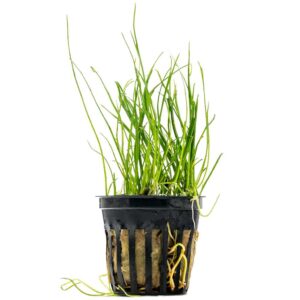
Aggressive and territorial. Provides lots of ground cover and space when having multiple puffers in one tank. Try to have 1 male for every 2-3 females to avoid fighting. The larger the tank the better, especially a wide tank with dense planting and lots space to shelter. Provide a minimum of 5 gallons for 1 puffer, add 3 more gallons for each additional puffer. | Hemianthus callitrichoides
Characteristics:
Max Size: 2"
Care Level: Hard
Nutrient Source: Root Feeder
Composition: Carpet
Parameters
Co2: Grows best with Co2
Light Level: Medium to High
Tank Mates
Great carpet plants. Good for shrimp and fish laying eggs.
Notes
Dwarf Baby Tears look very similar to Monte Carlo, but smaller and finer in size. Unfortunately, their finer appearance requires a balanced combination of soil, lighting and CO2. They are very demanding initially, but will be less work once established in your tank.
Compare carpet plant options and select the next one for your planted tank
See the diagrams on how you can setup CO2 for your aquarium | Epiplatys annulatus
Characteristics:
Max Size: 1.5″
Care Level: Easy
Behavior: Peaceful
Dwelling: Top of tank
Diet: Omnivore
Water Movement: Slow Moving
Parameters
Temperature: 68° – 79°
PH: 6 - 7.5
dGH: 8 - 16
dKH: 4 - 8
Min Tank Size: 5 gal
Grouping: 1-3
Tank Mates
Tetras, Rasboras, Danios, Hatchetfish, Mollies, Dwarf Gourami, Angelfish, Guppies, Loaches, Corydoras, Plecos and Otocinclus.
Adult shrimps are generally safe.
Notes
Although they're top dwellers, they can be shy and do best in large groups. You can keep 1-5 of of these tiny guys in a 5 gallon tank, but provide 10 gallons or larger if keeping in a community with other fish. They're predators and like to wait at the top to grab their food. Killifish often prefer live foods over frozen foods and pellets. Avoid aggressive or territorial species or large fish with big mouths such as cichlids.d pellets. Since they are colorful top dwellers, bettas may see them as competition and show aggression. | Echinodorus amazonicus
Characteristics:
Max Size: 20″
Care Level: Easy
Nutrient Source: In soil - Root Feeder
Composition: Background
Parameters
Co2: Not Required
Light Level: Low to Medium
Tank Mates
Great for community fish and Angelfish, Discus, Gourami, Guppies, Apistogramma
Notes
Oscars, Cichlids, Goldfish and Plecos may damage swords
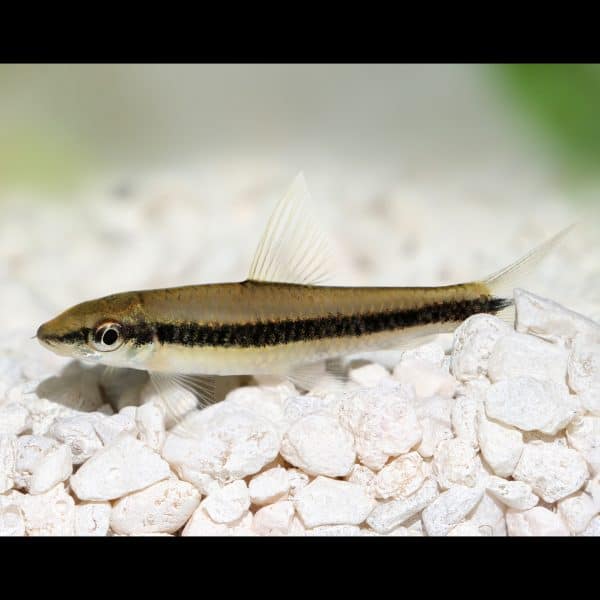
https://plantedtankmates.com/aquarium-plants-for-beginners/ | Crossocheilus oblongus
Characteristics
Max Size: 7″
Care Level: Beginner
Behavior: Peaceful to Semi-Aggressive
Dwelling: Bottom of tank
Diet: Omnivore
Water Movement: Slow Moving
Parameters
Temperature: 61 – 75
PH: 6 – 7.5
dGH: 8 - 16
dKH: 4 – 10
Tank Size: 20 gal
Grouping: 1
Tank Mates
Neon Tetras, Zebra Danios, Hatchetfish, Mollies, Dwarf Gourami, Angelfish and Guppies, Zebra Loaches, Yoyo Loaches and Otocinclus:
Notes
When young, they are generally peaceful and their diet consist of algae, but as they get older and larger, they can become semi-aggressive towards each other and prefer a little more protein in their diet. |