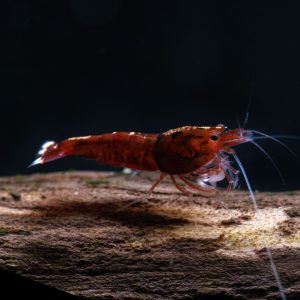
| Content | Neocaridina davidi
Characteristics:
Max Size: 1.5″
Care Level: Easy
Behavior: Peaceful
Diet: Omnivore
Water Movement: Slow Moving
Parameters
Temperature: 68 - 74
PH: 7 - 7.6
dGH: 6 - 12
dKH: 2 - 8
TDS: 150-220
Tank Size: 10 gal
Tank Mates
Tetras, Danios, Kuhli Loaches, Corydoras, Otocinclus and other small nano fish. There's always a risk that baby shrimp can get eaten. Avoid aggressive or large mouth fish.
Care
Provide a variety of hiding places. Shrimp will molt and prefer places to hide while their new body is tender. Keep the molted shells in the tank as other shrimp will feed off it as a good source of calcium. Unlike Caridina shrimp, Neocaridina are hardy and very easy to keep. Always remove dead shrimp to minimize bacteria and infections. Avoid heavy c02 injection.
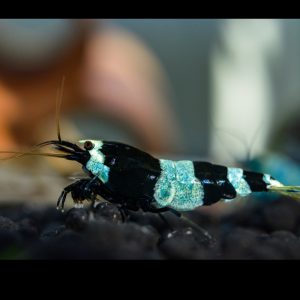
See this blog article for general Cherry Shrimp breeding and mixing colors | Caridina Cantonensis
Characteristics:
Max Size: 1.5″
Care Level: Expert
Behavior: Peaceful
Diet: Omnivore
Water Movement: Slow Moving
Parameters
Temperature: 68 - 74
PH: 6.2 - 6.9
dGH: 4 - 6
dKH: 0 - 2
TDS: 120-160
Tank Size: 10 gal
Tank Mates
Tetras, Danios, Kuhli Loaches, Corydoras, Otocinclus and other small nano fish. There's always a risk that baby shrimp can get eaten. Some recommend Caridina to be in species only tanks. Avoid aggressive or large mouth fish.
Notes
Stability is key. Caridina shrimp are very sensitive to water changes prefer softer and acid waters. Keep cooler water temperatures and avoid heavy c02 injection. Minimize changes.
Provide a variety of hiding places. Shrimp will molt and prefer places to hide while their new body is tender. Keep the molted shells in the tank as other shrimp will feed off it as a good source of calcium. Always remove dead shrimp to minimize bacteria and infections.
Available on Amazon | Caridina Cantonensis
Characteristics:
Max Size: 1.5″
Care Level: Expert
Behavior: Peaceful
Diet: Omnivore
Water Movement: Slow Moving
Parameters
Temperature: 68 - 72
PH: 6.2 - 6.8
dGH: 3 - 6
dKH: 0 - 1
TDS: 90 - 130
Tank Size: 10 gal
Tank Mates
Depending on the grade, Galaxy Pinto Shrimp can cost $$$. Tankmates need to be 100% peaceful. Caution with any nano fish. There's always a risk that baby shrimp can get eaten. Some recommend Caridina to be in species only tanks. Avoid aggressive or large mouth fish.
Notes
Stability is key. Caridina shrimp are very sensitive to water changes prefer softer and acid waters. Keep cooler water temperatures and avoid heavy c02 injection. Minimize changes.
Provide a variety of hiding places. Shrimp will molt and prefer places to hide while their new body is tender. Keep the molted shells in the tank as other shrimp will feed off it as a good source of calcium. Always remove dead shrimp to minimize bacteria and infections. | Caridina Cantonensis
Characteristics:
Max Size: 1.5″
Care Level: Expert
Behavior: Peaceful
Diet: Omnivore
Water Movement: Slow Moving
Parameters
Temperature: 68 - 72
PH: 6.2 - 6.9
dGH: 4 - 6
dKH: 0 - 2
TDS: 120 - 160
Tank Size: 10 gal
Tank Mates
Tetras, Danios, Kuhli Loaches, Corydoras, Otocinclus and other small nano fish. There's always a risk that baby shrimp can get eaten. Some recommend Caridina to be in species only tanks. Avoid aggressive or large mouth fish.
Notes
Stability is key. Caridina shrimp are very sensitive to water changes prefer softer and acid waters. Keep cooler water temperatures and avoid heavy c02 injection. Minimize changes.
Provide a variety of hiding places. Shrimp will molt and prefer places to hide while their new body is tender. Keep the molted shells in the tank as other shrimp will feed off it as a good source of calcium. Always remove dead shrimp to minimize bacteria and infections. | Neritina variegated
Characteristics:
Max Size: 1.2″
Care Level: Easy
Behavior: Peaceful
Diet: Omnivore
Water Movement: Slow Moving
Parameters
Temperature: 68 - 78
PH: 6.5 - 8
dGH: 7-15
dKH: 2 - 12
Tank Size: 2 per 10 gal
Tank Mates
Neocaridina and Cardina Shrimp, Tetras, Rasboras, Danios, Corydoras, Otocinclus and most small nano fish. Loaches and mollies may nip at snails. Pufferfish will eat them if they're small enough.
Notes
Snails are detritivores. They feed on dead organic material, especially plant detritus in an aquarium. This helps to clean up and break down organics in the tank, such as dying plant leaves, algae, left over fish food and even deceased animals.
Their shells require minerals and nutrients like calcium so a more neutral to alkaline water parameter is preferred. | Caridina Cantonensis
Characteristics:
Max Size: 1.5″
Care Level: Expert
Behavior: Peaceful
Diet: Omnivore
Water Movement: Slow Moving
Parameters
Temperature: 68 - 72
PH: 6.2 - 6.8
dGH: 3 - 6
dKH: 0 - 1
TDS: 90 - 130
Tank Size: 10 gal
Tank Mates
Tetras, Danios, Kuhli Loaches, Corydoras, Otocinclus and other small nano fish. There's always a risk that baby shrimp can get eaten. Some recommend Caridina to be in species only tanks. Avoid aggressive or large mouth fish.
Notes
Stability is key. Caridina shrimp are very sensitive to water changes prefer softer and acid waters. Keep cooler water temperatures and avoid heavy c02 injection. Minimize changes.
Provide a variety of hiding places. Shrimp will molt and prefer places to hide while their new body is tender. Keep the molted shells in the tank as other shrimp will feed off it as a good source of calcium. Always remove dead shrimp to minimize bacteria and infections. |