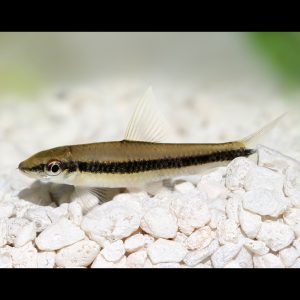
| Content | Mesonoemacheilus guentheri
Characteristics:
Max Size: 3″
Care Level: Easy
Behavior: Peaceful
Dwelling: Bottom of tank
Diet: Omnivore
Water Movement: Slow Moving
Parameters
Temperature: 68 - 78
PH: 6.5 - 7.8
dGH: 3 - 12
dKH: 2 - 8
Tank Size: 30 gal
Grouping: 1
Tank Mates
Peaceful mid-dwellers like Neon Tetras, Rasboras, Danios, Molliles and Guppies. Bottom dwellers like Otocinclus, other Corydoras and calmer loaches like Kuhli loaches.
Notes
Galaxy Loaches are popular for their striking patterns and slender bodies. They're best kept as a single in a tank, or in large groups of 10 or more. They can also be kept in pairs, but compatibility will vary. Be sure to provide a large tank for them to swim around compfortably.
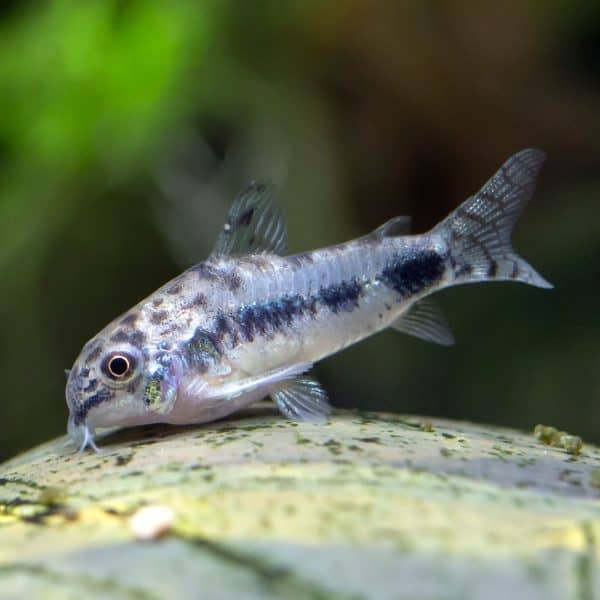
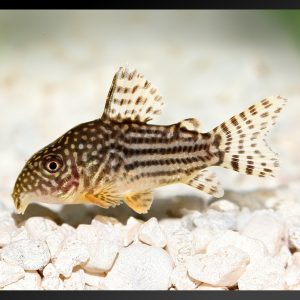
| Corydoras habrosus
Characteristics:
Max Size: 1 1/2″
Care Level: Easy
Behavior: Peaceful
Dwelling: Bottom of tank
Diet: Omnivore
Water Movement: Slow Moving
Parameters
Temperature: 72 – 78
PH: 6.5 – 7.3
dGH: 4 - 12
dKH: 3 – 7
Tank Size: 20 gal
Grouping: 6 or more
Tank Mates
Dwarf Corydoras are great tank mates with most shrimp species!
They're also great with Tetras, Rasboras, Danios, Hatchetfish, Mollies, Dwarf Gourami, Angelfish, Guppies, Loaches and Otocinclus
Notes
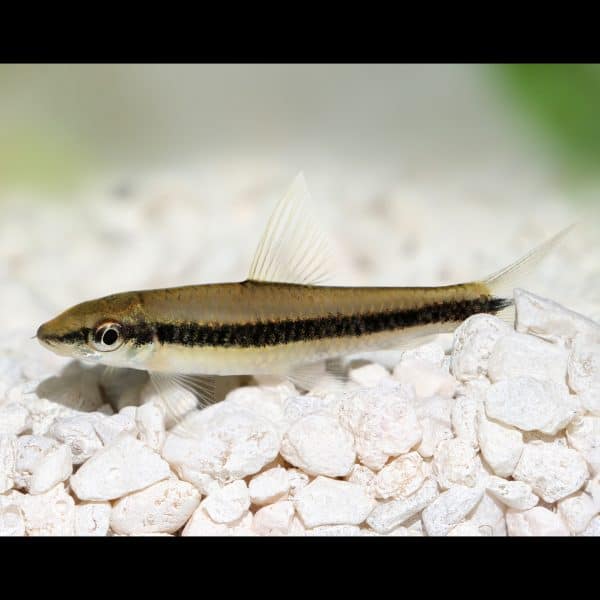
Smooth sand or gravel substrate preferred. They're not solely algae eaters, so provide wafers and other foods as well. Careful with aggressive fish eaters as they may not get enough nutrition at the bottom of tank. | Crossocheilus oblongus
Characteristics
Max Size: 7″
Care Level: Beginner
Behavior: Peaceful to Semi-Aggressive
Dwelling: Bottom of tank
Diet: Omnivore
Water Movement: Slow Moving
Parameters
Temperature: 61 – 75
PH: 6 – 7.5
dGH: 8 - 16
dKH: 4 – 10
Tank Size: 20 gal
Grouping: 1
Tank Mates
Neon Tetras, Zebra Danios, Hatchetfish, Mollies, Dwarf Gourami, Angelfish and Guppies, Zebra Loaches, Yoyo Loaches and Otocinclus:
Notes
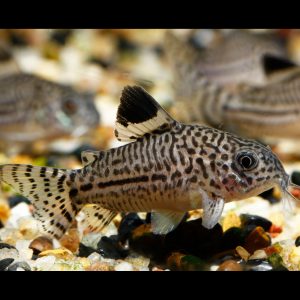
When young, they are generally peaceful and their diet consist of algae, but as they get older and larger, they can become semi-aggressive towards each other and prefer a little more protein in their diet. | Corydoras arcuatus
Characteristics:
Max Size: 2.5″
Care Level: Easy
Behavior: Peaceful
Dwelling: Bottom of tank
Diet: Omnivore
Water Movement: Slow Moving
Parameters
Temperature: 72 – 78
PH: 6.5 – 7.3
dGH: 4 - 12
dKH: 3 – 7
Tank Size: 20 gal
Grouping: 6 or more
Tank Mates
Dwarf Corydoras are great tank mates with most shrimp species.
They're also great with Tetras, Rasboras, Danios, Hatchetfish, Mollies, Dwarf Gourami, Angelfish, Guppies, Loaches and Otocinclus
Notes
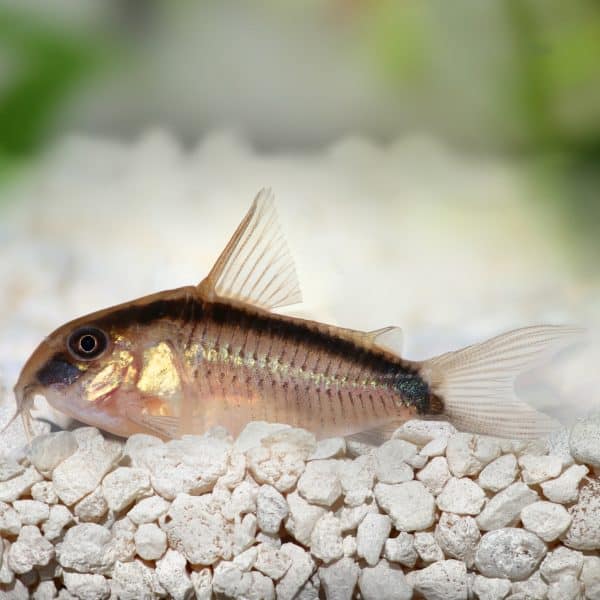
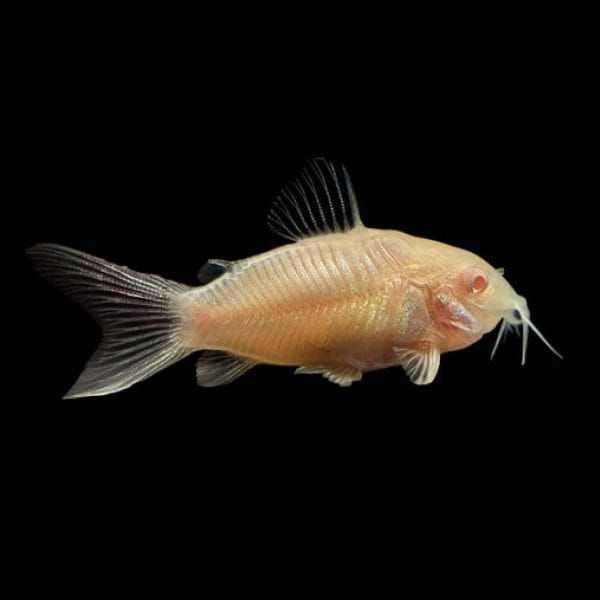
Smooth sand or gravel substrate preferred. They're not solely algae eaters, so provide wafers and other foods as well. Careful with aggressive fish eaters as they may not get enough nutrition at the bottom of tank. | Corydoras Aeneus
Characteristics:
Max Size: 2 1/2″
Care Level: Easy
Behavior: Peaceful
Dwelling: Bottom of tank
Diet: Omnivore
Water Movement: Slow Moving
Parameters
Temperature: 72 – 78
PH: 6.5 – 7.3
dGH: 4 - 12
dKH: 3 – 7
Tank Size: 20 gal
Grouping: 6 or more
Tank Mates
Dwarf Corydoras are great tank mates with most shrimp species!
They're also great with Tetras, Rasboras, Danios, Hatchetfish, Mollies, Dwarf Gourami, Angelfish, Guppies, Loaches and Otocinclus
Notes
Smooth sand or gravel substrate preferred. They're not solely algae eaters, so provide wafers and other foods as well. Careful with aggressive fish eaters as they may not get enough nutrition at the bottom of tank. | Otocinclus vittatus
Characteristics
Max Size: 2″
Care Level: Beginner
Behavior: Peaceful
Dwelling: Bottom of tank
Diet: Herbivore
Water Movement: Slow Moving
Parameters
Temperature: 72 – 82
PH: 6 – 7.5
dGH: 6 - 15
dKH: 4 – 10
Tank Size: 10 gal
Grouping: 6
Tank Mates
Cardina and Neocardina Shrimp, Cardinal and Neon Tetras, Zebra Danios, Hatchetfish, Mollies, Dwarf Gourami, Angelfish and Guppies, Zebra Loaches, Yoyo Loaches
Notes
Otocinclus are very hardy and one of the most peaceful nano catfish you'll ever find. They're true herbivores and won't eat baby shrimp fry. They're also a shoaling fish, so when kept in larger groups they'll swim around together from one feeding point to another. |