| Content | Terminalia catappa
Characteristics:
Max Size: 4-7"
Composition: Bottom of Tank
Uses
Reduces PH
Provides grazing area for shrimp
Tank Mates
Great for shrimp tanks or as a natural way to soften water and bring down PH. Sometimes used in Beta tanks for its anti-bacterial and anti-fungal properties.
Notes
Shrimps love to munch on Indian Almond Leaves (catappa leaves). Once submersed, they rest at the bottom of the tank for months, providing sufficient area for grazing. They do leach beneficial tannins and can turn your water murky brown / yellow. You can minimize that by pre-soaking it in a cup and doing a few light rinses. | Caridina multidenata, Caridina japonica
Characteristics:
Max Size: 2″
Care Level: Easy
Behavior: Peaceful
Diet: Omnivore
Water Movement: Slow Moving
Parameters
Temperature: 65 - 80
PH: 6.5 - 8
dGH: 4 - 12
dKH: 2 - 8
TDS: 150-200
Tank Size: 10 gal
Tank Mates
Compatible all Caridina and Neocaridina species as they will not crossbreed.
Tetras, Danios, Kuhli Loaches, Corydoras, Otocinclus and other small nano fish. There's always a risk that baby shrimp can get eaten. Avoid aggressive or large mouth fish.
Notes
Made popular by Takashi Amano (the father of modern aquascaping), Amano shrimp are great algae eaters. They're very hardy and can handle a wide temperature range making them great beginner freshwater shrimp. They have a tendency to jump and crawl out of the water, so keep a tight lid.
Provide a variety of hiding places. Shrimp will molt and prefer places to hide while their new body is tender. Keep the molted shells in the tank as other shrimp will feed off it as a good source of calcium. Always remove dead shrimp to minimize bacteria and infections. Avoid heavy c02 injection.
More about Amano Shrimp here. | Caridina mariae, Caridina Cantonensis
Characteristics:
Max Size: 1.5″
Care Level: Expert
Behavior: Peaceful
Diet: Omnivore
Water Movement: Slow Moving
Parameters
Temperature: 68 - 74
PH: 6.5 - 6.9
dGH: 4 - 8
dKH: 0 - 2
TDS: 130-180
Tank Size: 10 gal
Tank Mates
Tetras, Danios, Kuhli Loaches, Corydoras, Otocinclus and other small nano fish. There's always a risk that baby shrimp can get eaten. Avoid aggressive or large mouth fish.
Notes
Blue tiger shrimp do not breed true, meaning they may come out blonde or a lighter variance color. Keep cooler water temperatures and avoid heavy c02 injection. Minimize changes.
Provide a variety of hiding places. Shrimp will molt and prefer places to hide while their new body is tender. Keep the molted shells in the tank as other shrimp will feed off it as a good source of calcium. Always remove dead shrimp to minimize bacteria and infections. | Corydoras panda
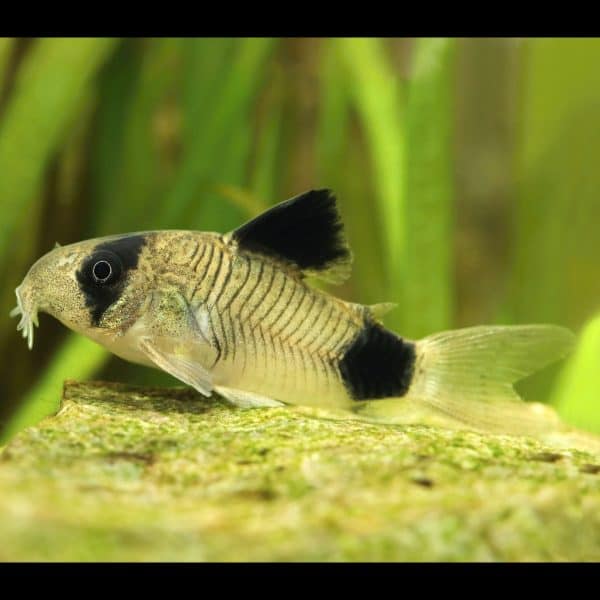
Characteristics:
Max Size: 2″
Care Level: Easy
Behavior: Peaceful
Dwelling: Bottom of tank
Diet: Omnivore
Water Movement: Slow Moving
Parameters
Temperature: 72 – 78
PH: 6.5 – 7.3
dGH: 4 - 12
dKH: 3 – 7
Tank Size: 20 gal
Grouping: 6 or more
Tank Mates
Dwarf Corydoras are great tank mates with most shrimp species!
They're also great with Tetras, Rasboras, Danios, Hatchetfish, Mollies, Dwarf Gourami, Angelfish, Guppies, Loaches and Otocinclus
Notes
Smooth sand or gravel substrate preferred. They're not solely algae eaters, so provide wafers and other foods as well. Careful with aggressive fish eaters as they may not get enough nutrition at the bottom of tank. | Echinodorus amazonicus
Characteristics:
Max Size: 20″
Care Level: Easy
Nutrient Source: In soil - Root Feeder
Composition: Background
Parameters
Co2: Not Required
Light Level: Low to Medium
Tank Mates
Great for community fish and Angelfish, Discus, Gourami, Guppies, Apistogramma
Notes
Oscars, Cichlids, Goldfish and Plecos may damage swords
https://plantedtankmates.com/aquarium-plants-for-beginners/ | Crossocheilus oblongus
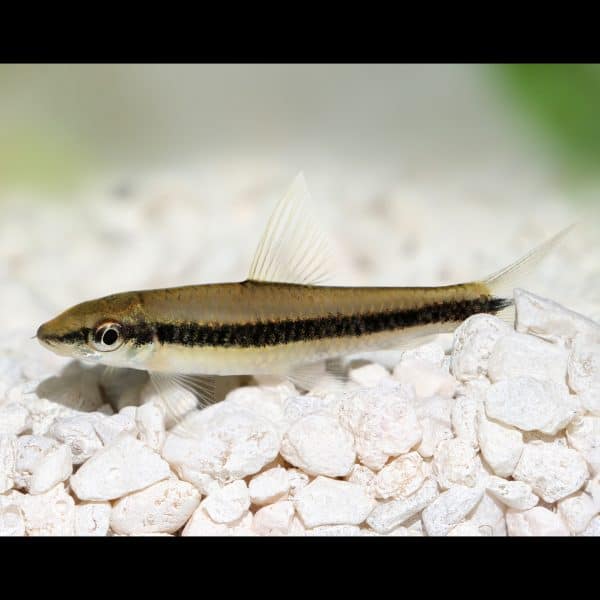
Characteristics
Max Size: 7″
Care Level: Beginner
Behavior: Peaceful to Semi-Aggressive
Dwelling: Bottom of tank
Diet: Omnivore
Water Movement: Slow Moving
Parameters
Temperature: 61 – 75
PH: 6 – 7.5
dGH: 8 - 16
dKH: 4 – 10
Tank Size: 20 gal
Grouping: 1
Tank Mates
Neon Tetras, Zebra Danios, Hatchetfish, Mollies, Dwarf Gourami, Angelfish and Guppies, Zebra Loaches, Yoyo Loaches and Otocinclus:
Notes
When young, they are generally peaceful and their diet consist of algae, but as they get older and larger, they can become semi-aggressive towards each other and prefer a little more protein in their diet. |