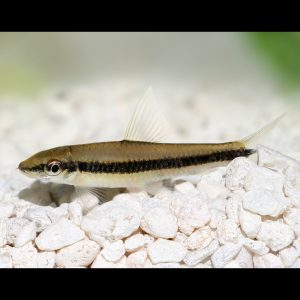
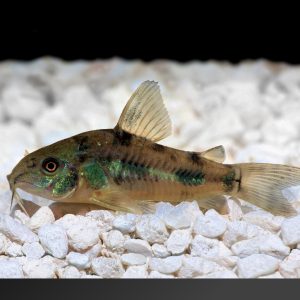
| Content | Botia kubotai
Characteristics:
Max Size: 4″
Care Level: Easy
Behavior: Peaceful
Dwelling: Bottom of tank
Diet: Omnivore
Water Movement: Slow Moving
Parameters
Temperature: 73 - 79
PH: 6 - 7.5
dGH: 6 - 12
dKH: 4 - 8
Tank Size: 30 gal
Grouping: 5 or more
Tank Mates
Since they're at the bottom of the tank, they get along with most top-dwellers like Sparkling Gouramis, Danios, Mollies and Endlers. Mid-dwellers like Neon and Ember Tetras, Cherry Barbs, Rasboras. Bottom dwellers like Otocinclus, Clown Loachs other Corydoras. They can be fin nippers, so avoid long fin tetras, Bettas, Dwarf shrimp and snails
Notes
Polka Dot Loach, also known as Burmese Border Loach, are peaceful community fish similar to Zebra Loaches. Do well with fish their size or smaller. They need a lot of room to graze the bottom of the tank, so provide a minimum of 30 gallons or more.
| Tuberoschistura arakanensis
Characteristics:
Max Size: 1.25″
Care Level: Easy
Behavior: Peaceful
Dwelling: Bottom of tank
Diet: Omnivore
Water Movement: Slow Moving
Parameters
Temperature: 74 – 82
PH: 6.5 - 7.8
dGH: 8 - 12
dKH: 4 - 8
Tank Size: 30 gal
Grouping: 8-10
Tank Mates
Neocaridina Shrimp, Amano Shrimp, Neon Tetras, Rasboras, Danios, Guppies and Otocinclus
Notes
Rosy loaches are one of the few nano size members in the loach family. They're active bottom feeders but are generally peaceful with the community. They can eat small snails and baby shrimp, but most adult shrimps are too big for their mouths and generally safe.
https://plantedtankmates.com/shrimp-tank-mates/
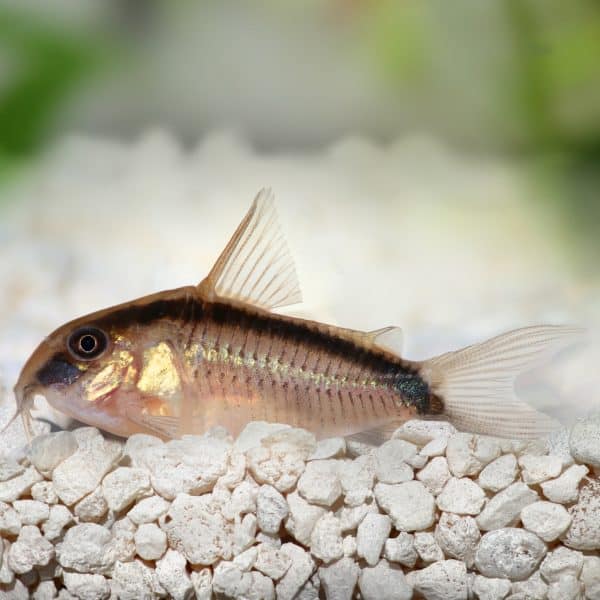
| Corydoras arcuatus
Characteristics:
Max Size: 2.5″
Care Level: Easy
Behavior: Peaceful
Dwelling: Bottom of tank
Diet: Omnivore
Water Movement: Slow Moving
Parameters
Temperature: 72 – 78
PH: 6.5 – 7.3
dGH: 4 - 12
dKH: 3 – 7
Tank Size: 20 gal
Grouping: 6 or more
Tank Mates
Dwarf Corydoras are great tank mates with most shrimp species.
They're also great with Tetras, Rasboras, Danios, Hatchetfish, Mollies, Dwarf Gourami, Angelfish, Guppies, Loaches and Otocinclus
Notes
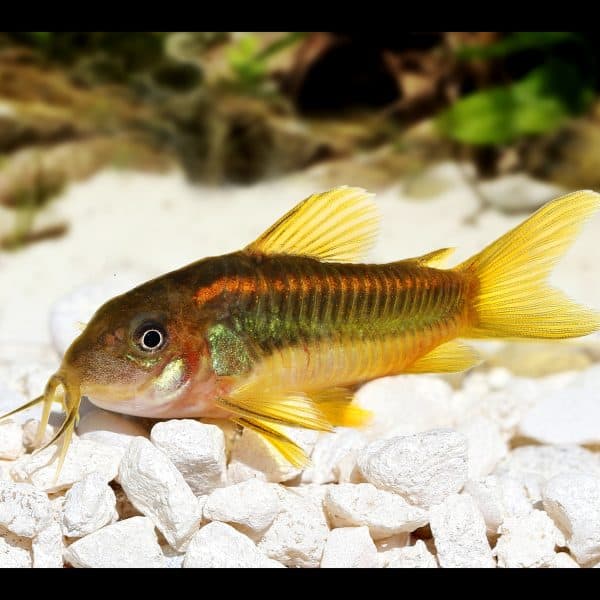
Smooth sand or gravel substrate preferred. They're not solely algae eaters, so provide wafers and other foods as well. Careful with aggressive fish eaters as they may not get enough nutrition at the bottom of tank. | Corydoras sp. CW009
Characteristics:
Max Size: 2 1/2″
Care Level: Easy
Behavior: Peaceful
Dwelling: Bottom of tank
Diet: Omnivore
Water Movement: Slow Moving
Parameters
Temperature: 72 – 78
PH: 6.5 – 7.3
dGH: 4 - 12
dKH: 3 – 7
Tank Size: 20 gal
Grouping: 6 or more
Tank Mates
Dwarf Corydoras are great tank mates with most shrimp species!
They're also great with Tetras, Rasboras, Danios, Hatchetfish, Mollies, Dwarf Gourami, Angelfish, Guppies, Loaches and Otocinclus
Notes
Smooth sand or gravel substrate preferred. They're not solely algae eaters, so provide wafers and other foods as well. Careful with aggressive fish eaters as they may not get enough nutrition at the bottom of tank. | Corydoras atropersonatus
Characteristics:
Max Size: 2 1/2″
Care Level: Easy
Behavior: Peaceful
Dwelling: Bottom of tank
Diet: Omnivore
Water Movement: Slow Moving
Parameters
Temperature: 72 – 78
PH: 6.5 – 7.3
dGH: 4 - 12
dKH: 3 – 7
Tank Size: 20 gal
Grouping: 6 or more
Tank Mates
Dwarf Corydoras are great tank mates with most shrimp species!
They're also great with Tetras, Rasboras, Danios, Hatchetfish, Mollies, Dwarf Gourami, Angelfish, Guppies, Loaches and Otocinclus
Notes
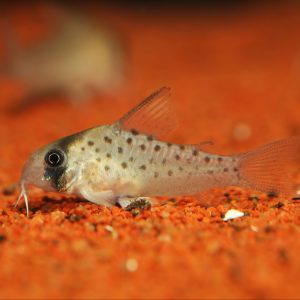
Smooth sand or gravel substrate preferred. They're not solely algae eaters, so provide wafers and other foods as well. Careful with aggressive fish eaters as they may not get enough nutrition at the bottom of tank. | Corydoras trilineatus
Characteristics:
Max Size: 2.5″
Care Level: Easy
Behavior: Peaceful
Dwelling: Bottom of tank
Diet: Omnivore
Water Movement: Slow Moving
Parameters
Temperature: 72 – 78
PH: 6.5 – 7.3
dGH: 4 - 12
dKH: 3 – 7
Tank Size: 20 gal
Grouping: 6 or more
Tank Mates
Dwarf Corydoras are great tank mates with most shrimp species.
They're also great with Tetras, Rasboras, Danios, Hatchetfish, Mollies, Dwarf Gourami, Angelfish, Guppies, Loaches and Otocinclus
Notes
Leopard Corydoras are often confused with Julii Corydoras. The difference is that Julii will have spots on the front part of their head, while Leopard will continue the same body pattern.
Smooth sand or gravel substrate preferred. They're not solely algae eaters, so provide wafers and other foods as well. Careful with aggressive fish eaters as they may not get enough nutrition at the bottom of tank. |