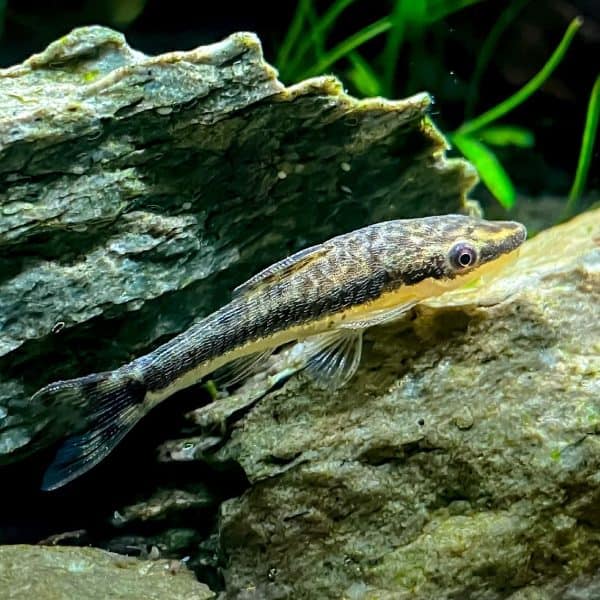
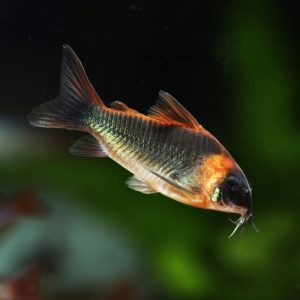
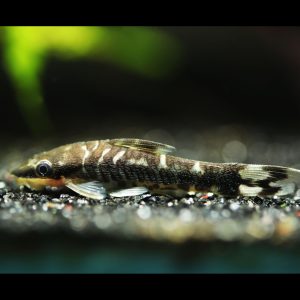
| Content | Hypancistrus sp. (L260)
Characteristics:
Max Size: 4″
Care Level: Easy
Behavior: Peaceful
Dwelling: Bottom of tank
Diet: Omnivore
Water Movement: Medium Flow
Parameters
Temperature: 75 - 82
PH: 6.5 - 7.5
dGH: 3 - 8
dKH: 6 - 10
Tank Size: 30 gal
Grouping: Single
Tank Mates
Tetras, Rasboras, Apistogrammas, Denison Barbs, Danios, Guppies. Shrimps, snails and Otocinclus are OK, but smaller shrimp may get eaten. Avoid larger or active bottom dwellers.
Notes
Nocturnal species. Queen Arabesque Plecos are smaller than other common plecos, but they need a lot of space to hide. They're generally shy and peaceful, but can also be territorial at the same time. Provide a sandy substrate with plants, rocks, wood, caves and ample room to hide.
Although they're algae eaters, their diet cannot solely consist of algae. Supplement with wafers and other nutritious food, especially when they get older and larger.
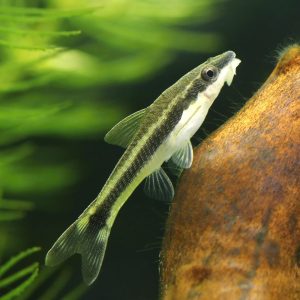
https://plantedtankmates.com/bottom-dwelling-fish/ | Macrotocinclus affinis
Characteristics
Max Size: 2″
Care Level: Beginner
Behavior: Peaceful
Dwelling: Bottom of tank
Diet: Herbivore
Water Movement: Slow Moving
Parameters
Temperature: 72 – 82
PH: 6 – 7.5
dGH: 6 - 15
dKH: 4 – 10
Tank Size: 10 gal
Grouping: 6
Tank Mates
Cardina and Neocardina Shrimp, Cardinal and Neon Tetras, Zebra Danios, Hatchetfish, Mollies, Dwarf Gourami, Angelfish and Guppies, Zebra Loaches, Yoyo Loaches
Notes
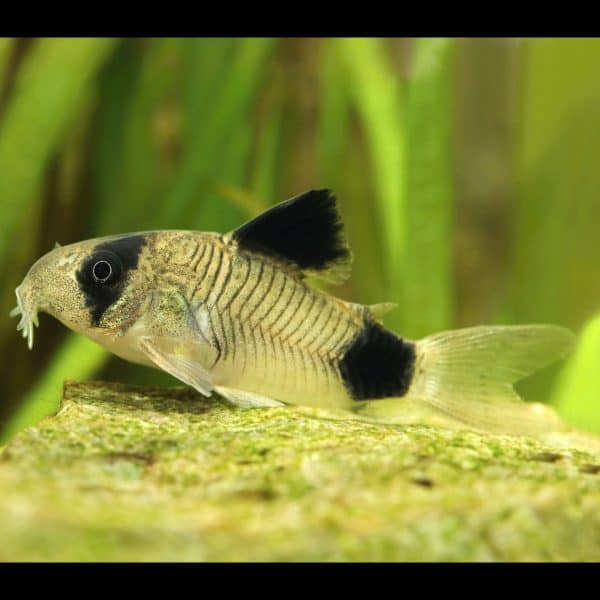
Otocinclus are very hardy and one of the most peaceful nano catfish you'll ever find. They're true herbivores and wont eat baby shrimp fry. They're also a shoaling fish, so when kept in larger groups they'll swim around together from one feeding point to another. | Corydoras panda
Characteristics:
Max Size: 2″
Care Level: Easy
Behavior: Peaceful
Dwelling: Bottom of tank
Diet: Omnivore
Water Movement: Slow Moving
Parameters
Temperature: 72 – 78
PH: 6.5 – 7.3
dGH: 4 - 12
dKH: 3 – 7
Tank Size: 20 gal
Grouping: 6 or more
Tank Mates
Dwarf Corydoras are great tank mates with most shrimp species!
They're also great with Tetras, Rasboras, Danios, Hatchetfish, Mollies, Dwarf Gourami, Angelfish, Guppies, Loaches and Otocinclus
Notes
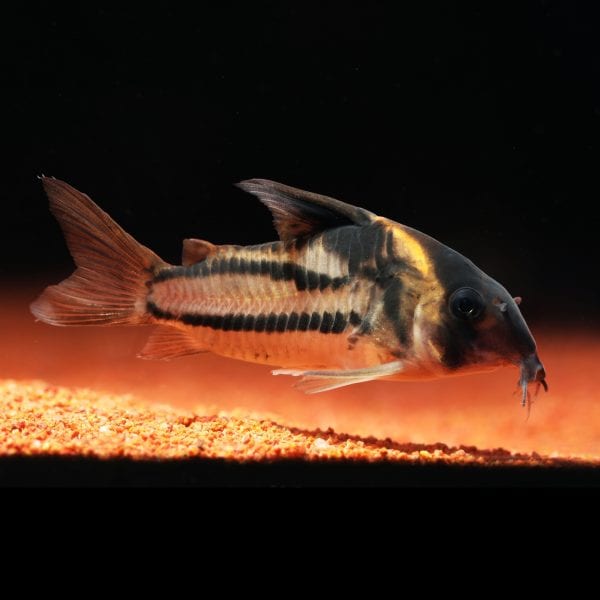
Smooth sand or gravel substrate preferred. They're not solely algae eaters, so provide wafers and other foods as well. Careful with aggressive fish eaters as they may not get enough nutrition at the bottom of tank. | Corydoras paleatus
Characteristics:
Max Size: 1 1/2″
Care Level: Easy
Behavior: Peaceful
Dwelling: Bottom of tank
Diet: Omnivore
Water Movement: Slow Moving
Parameters
Temperature: 72 – 78
PH: 6.5 – 7.3
dGH: 4 - 12
dKH: 3 – 7
Tank Size: 20 gal
Grouping: 6 or more
Tank Mates
Dwarf Corydoras are great tank mates with most shrimp species!
They're also great with Tetras, Rasboras, Danios, Hatchetfish, Mollies, Dwarf Gourami, Angelfish, Guppies, Loaches and Otocinclus
Notes
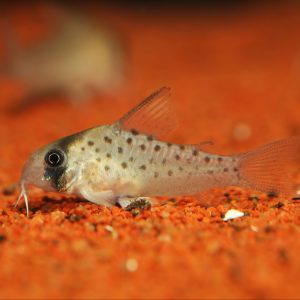
Smooth sand or gravel substrate preferred. They're not solely algae eaters, so provide wafers and other foods as well. Careful with aggressive fish eaters as they may not get enough nutrition at the bottom of tank. | Stiphodon atropurpureus
Characteristics:
Max Size: 3″
Care Level: Experienced
Behavior: Peaceful to Semi-Aggressive
Dwelling: Bottom of tank
Diet: Omnivore
Water Movement: Slow Moving
Parameters
Temperature: 70 – 78
PH: 6.5 – 7
dGH: 3 - 10
dKH: 3 – 7
Tank Size: 10 gal
Grouping: 1
Tank Mates
Small, peaceful Nano fishes like Tetras, Rasboras and Danios. They can become territorial, so provide a lot of hiding space when keeping more than 1. OK with dwarf shrimp, but they'll most likely eat smaller fry.
Notes
These fish have very stringent water requirements. Regular maintenance and upkeep is necessary. They prefer softer waters closer to a neutral PH. Using almond leaves, cholla and driftwood provide tannins which they prefer. They're frequent climbers and jumpers, so an aquarium lid is highly recommended. Ensure algae and biofilm is present in your tank for grazing.
Breeding
Spawning is relatively easy, but breeding can be a bit tricky. Increase the tank temperature to low 80's and provide lots of hiding spaces like small, open-ended pipes. Females will develop swollen bellies (full of eggs) and the male will attract the female to a safe place to lay. After spawning, remove the female and allow the male to guard the eggs. Within 5-7 days the eggs will hatch and can become easy food for prey, so isolation may be necessary. In the wild, newly hatched fry are swept to brackish and marine water conditions where they feed and develop. Once mature and developed, they swim back to freshwater conditions to inhabit. | Corydoras CW127
Characteristics:
Max Size: 2 1/2″
Care Level: Easy
Behavior: Peaceful
Dwelling: Bottom of tank
Diet: Omnivore
Water Movement: Slow Moving
Parameters
Temperature: 72 – 78
PH: 6.5 – 7.3
dGH: 4 - 12
dKH: 3 – 7
Tank Size: 20 gal
Grouping: 6 or more
Tank Mates
Dwarf Corydoras are great tank mates with most shrimp species!
They're also great with Tetras, Rasboras, Danios, Hatchetfish, Mollies, Dwarf Gourami, Angelfish, Guppies, Loaches and Otocinclus
Notes
Smooth sand or gravel substrate preferred. They're not solely algae eaters, so provide wafers and other foods as well. Careful with aggressive fish eaters as they may not get enough nutrition at the bottom of tank. |