| Content | Hygrophila difformis
Characteristics:
Max Size: 20"
Care Level: Easy
Nutrient Source: Root Feeder
Composition: Midground - Background
Parameters
Co2: No
Light Level: Low
Tank Mates
Pearl Weed is also compatible with most nano community fish, including tetras, rasboras, danios, endlers, gouramis. They provide lots of shade and coverage for even bottom feeders like corydoras and rainbowfish. They create great hiding spaces for baby fry and shrimp.
Notes
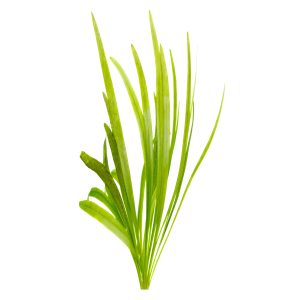
Water Wisteria is a fast growing, bushy plant. When submerged underwater, it produces a feather-like leaf structure that's different in appearance than when it's emersed from water. It's relatively undemanding and can thrive in low to moderate light levels, but can grow tall and fast with high lighting and CO2. Provide a nutrient rich substrate and supplement with root tabs as necessary. It's great at consuming nitrogen waste and can be used to help combat algae. | Microsorum Pteropus var. Sunrise
Characteristics:
Max Size: 8"
Care Level: Easy
Nutrient Source: Column Feeder
Composition: Background
Parameters
Co2: None
Light Level: Low
Tank Mates
Great for nano community fish like tetras, rasboras, danios, mollies, endlers, otocinclus, corydoras, dwarf gouramis. Avoid larger mid dwellers that may pick on its delicate leaves like cichlids and goldfish.
Notes
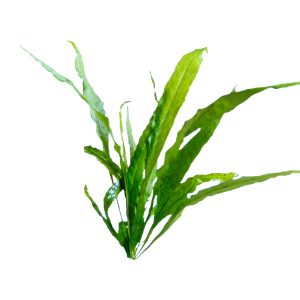
Sunrise Java Fern has a unique green color variation with flaring edges. Similar to Java Fern, do not bury it deep into the soil as the rhizome can rot. Lightly bury, weigh it down, or tie it to hardscapes to allow it to grow. It's a very slow growing plant in low light settings, but can propagate fast with CO2 and moderate lighting, but look out for algae on the leaves.
| Cryptocoryne Spiralis
Characteristics:
Max Size: 18″
Care Level: Easy
Nutrient Source: Root Feeder
Composition: Background
Parameters
Co2: Not Required, but grows faster with
Light Level: Low
Tank Mates
Most community nano fish like tetras, danios rasboras, pencilfish, kilifish, platties and dwarf grouramis. Shrimps and snails also benefit from their tall leaves. Avoid fish that may shift the soil or uproot it.
Notes
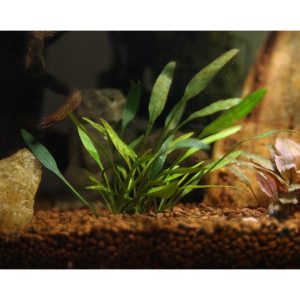
This plant is susceptible to melting but at a much lesser rate compared to other Cryptocorynes. It shoots runners on the surface and can propogate slowly with low to moderate lighting. It typically averages around 10-18" in height but can grow up to 24" in tall tanks. Decrease the lighting intensity if algae starts to develop on the leaves. | Cryptocoryne Parva
Characteristics:
Max Size: 3″
Care Level: Easy
Nutrient Source: Root Feeder
Composition: Foreground + Carpet
Parameters
Co2: Not Required, but grows faster with
Light Level: Low
Tank Mates
Great for community fish and creates a nice habitat for bottom dwellers.
Notes
Very slow growing plant. They tend to melt when first introduced underwater. New sprouts will grow over time. Algae can grow on their leaves, so keeping them in partial shade is OK. Supplement with root feeders to keep them healthy and thriving.
https://plantedtankmates.com/aquarium-plants-for-beginners/ | Bolbitis heudelotii
Characteristics:
Max Size: 16"
Care Level: Easy
Nutrient Source: Column Feeder
Composition: Background
Parameters
Co2: None
Light Level: Low
Tank Mates
Great for nano community fish like tetras, rasboras, danios, mollies, endlers, otocinclus, corydoras, dwarf gouramis. Avoid larger mid dwellers that may pick on its delicate leaves like cichlids and goldfish.
Notes
Also known as Congo Fern or Bolbitis Narrow Leaf Fern is a column feeding plant. It has a narrow leaves that branch off on alternating sides of the stem. Similar to Java Fern, do not bury it deep into the soil as the rhizome can rot. Lightly bury, weigh it down, or tie it to hardscapes to allow it to grow. It's a very slow growing plant in low light settings, but can propagate fast with CO2 and moderate lighting, but look out for algae on the leaves.
| Rotala Rotundifolia
Characteristics:
Max Size: 12″
Care Level: Medium
Nutrient Source: Root Feeder + Water Column
Composition: Background
Parameters
Co2: Medium
Light Level: High
Tank Mates
Great for community fish, shrimp and snails
Notes
Rotala Rotundifolia is actually an easy plant to grow, but getting the red colors involves more CO2, lighting and iron dosing. Propagating is at easy as trimming the top and replanting in the soil. A good substrate will help with red colors and growth.
Read more about how to maintain Red Aquarium Plants
See the diagrams on how you can setup CO2 for your aquarium |