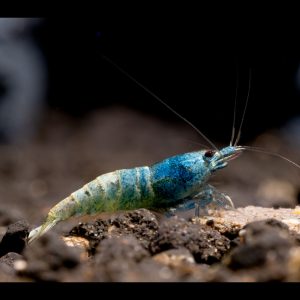
| Content | Caridina poso klotz
Characteristics:
Max Size: 1″
Care Level: Expert
Behavior: Peaceful
Diet: Omnivore
Water Movement: Slow Moving
Parameters
Temperature: 78 - 85
PH: 7.8 - 8.5
dGH: 6 - 10
dKH: 4 - 8
TDS: 100-200
Tank Size: 10 gal
Tank Mates
Their water parameters are so specific and sensitive that it's difficult to keep Sulawesi Shrimp with other tank mates, even if they're all peaceful. The best approach would be to keep them with creatures from the same region like Sulawesi Snails or other Sulawesi Shrimp. All Sulawesi Shrimp are from a different species, so they won't interbreed. You could try Neocaridina shrimp as they can tolerate a high PH, but the best recommendation for Sulawesi shrimp is to keep a species only tank.
Notes
For experienced fish keepers only. Your tank must be fully cycled and well established before introducing expensive Sulawesi Shrimp, but even that's not enough. Water changes require specific R.O. remineralizers designed for Sulawesi Shrimp, and note that they are tricky to dissolve. Stable water conditions are absolutely required.
Keep the molted shells in the tank as other shrimp will feed off it as a good source of calcium. Always remove dead shrimp to minimize bacteria and infections. | Caridina Cantonensis
Characteristics:
Max Size: 1.5″
Care Level: Expert
Behavior: Peaceful
Diet: Omnivore
Water Movement: Slow Moving
Parameters
Temperature: 68 - 72
PH: 6.2 - 6.8
dGH: 3 - 6
dKH: 0 - 1
TDS: 90 - 130
Tank Size: 10 gal
Tank Mates
Depending on the grade, Galaxy Pinto Shrimp can cost $$$. Tankmates need to be 100% peaceful. Caution with any nano fish. There's always a risk that baby shrimp can get eaten. Some recommend Caridina to be in species only tanks. Avoid aggressive or large mouth fish.
Notes
Stability is key. Caridina shrimp are very sensitive to water changes prefer softer and acid waters. Keep cooler water temperatures and avoid heavy c02 injection. Minimize changes.
Provide a variety of hiding places. Shrimp will molt and prefer places to hide while their new body is tender. Keep the molted shells in the tank as other shrimp will feed off it as a good source of calcium. Always remove dead shrimp to minimize bacteria and infections. | Caridina Cantonensis
Characteristics:
Max Size: 1.5″
Care Level: Expert
Behavior: Peaceful
Diet: Omnivore
Water Movement: Slow Moving
Parameters
Temperature: 68 - 72
PH: 6.4 - 6.6
dGH: 4 - 5
dKH: 0 - 1
TDS: 100 - 140
Tank Size: 10 gal
Tank Mates
Tetras, Danios, Kuhli Loaches, Corydoras, Otocinclus and other small nano fish. There's always a risk that baby shrimp can get eaten. Some recommend Caridina to be in species only tanks. Avoid aggressive or large mouth fish.
Notes
Stability is key. Caridina shrimp are very sensitive to water changes prefer softer and acid waters. Keep cooler water temperatures and avoid heavy c02 injection. Minimize changes.
Provide a variety of hiding places. Shrimp will molt and prefer places to hide while their new body is tender. Keep the molted shells in the tank as other shrimp will feed off it as a good source of calcium. Always remove dead shrimp to minimize bacteria and infections. | Caridina Cantonensis
Characteristics:
Max Size: 1.5″
Care Level: Expert
Behavior: Peaceful
Diet: Omnivore
Water Movement: Slow Moving
Parameters
Temperature: 68 - 72
PH: 6.2 - 6.8
dGH: 3 - 6
dKH: 0 - 1
TDS: 90 - 130
Tank Size: 10 gal
Tank Mates
Tetras, Danios, Kuhli Loaches, Corydoras, Otocinclus and other small nano fish. There's always a risk that baby shrimp can get eaten. Some recommend Caridina to be in species only tanks. Avoid aggressive or large mouth fish.
Notes
Stability is key. Caridina shrimp are very sensitive to water changes prefer softer and acid waters. Keep cooler water temperatures and avoid heavy c02 injection. Minimize changes.
Provide a variety of hiding places. Shrimp will molt and prefer places to hide while their new body is tender. Keep the molted shells in the tank as other shrimp will feed off it as a good source of calcium. Always remove dead shrimp to minimize bacteria and infections. | Caridina Cantonensis
Characteristics:
Max Size: 1.5″
Care Level: Expert
Behavior: Peaceful
Diet: Omnivore
Water Movement: Slow Moving
Parameters
Temperature: 68 - 74
PH: 6.2 - 6.9
dGH: 4 - 6
dKH: 0 - 2
TDS: 120-160
Tank Size: 10 gal
Tank Mates
Tetras, Danios, Kuhli Loaches, Corydoras, Otocinclus and other small nano fish. There's always a risk that baby shrimp can get eaten. Some recommend Caridina to be in species only tanks. Avoid aggressive or large mouth fish.
Notes
Stability is key. Caridina shrimp are very sensitive to water changes prefer softer and acid waters. Keep cooler water temperatures and avoid heavy c02 injection. Minimize changes.
Provide a variety of hiding places. Shrimp will molt and prefer places to hide while their new body is tender. Keep the molted shells in the tank as other shrimp will feed off it as a good source of calcium. Always remove dead shrimp to minimize bacteria and infections.
Available on Amazon | Caridina Cantonensis
Characteristics:
Max Size: 1.5″
Care Level: Expert
Behavior: Peaceful
Diet: Omnivore
Water Movement: Slow Moving
Parameters
Temperature: 68 - 72
PH: 6.2 - 6.8
dGH: 3 - 6
dKH: 0 - 1
TDS: 90 - 130
Tank Size: 10 gal
Tank Mates
Tetras, Danios, Kuhli Loaches, Corydoras, Otocinclus and other small nano fish. There's always a risk that baby shrimp can get eaten. Some recommend Caridina to be in species only tanks. Avoid aggressive or large mouth fish.
Notes
Stability is key. Caridina shrimp are very sensitive to water changes prefer softer and acid waters. Keep cooler water temperatures and avoid heavy c02 injection. Minimize changes.
Provide a variety of hiding places. Shrimp will molt and prefer places to hide while their new body is tender. Keep the molted shells in the tank as other shrimp will feed off it as a good source of calcium. Always remove dead shrimp to minimize bacteria and infections. |